
Bernese traditions
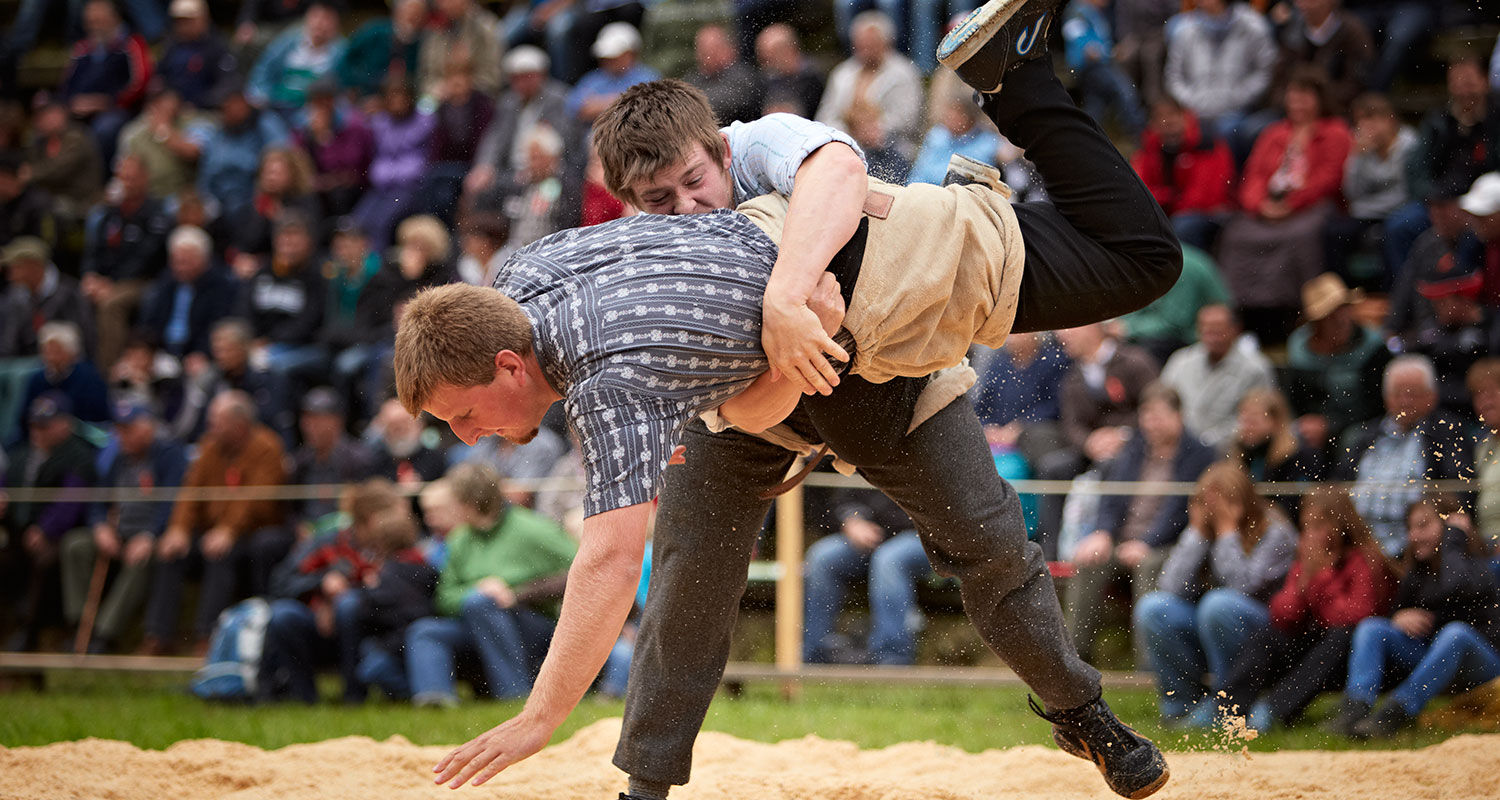
Schwingen wrestling: Trouser lifts in the sawdust
The spectators really do enjoy watching how these bulky males wearing their short Zwilchhosen trousers "lift" each other up so that the losers’ shoulder blades touch the ground. No one knows when and where this typical Swiss wrestling variant took place for the first time. It seems that the sport has always been a part of Swiss life – at least that is what the 13th century depictions of Schwingen wrestling in the cathedral of Lausanne would suggest. Once the sport of shepherds and herdsmen, it is now an integral part of the Swiss sports scene. The numerous competitions – such as those held at Kemmeriboden, considered to be the cradle of the sport – exude a unique atmosphere and attract very varied audiences. Any "boys" and "girls" who are interested in this sport can sign up for one of the introductory courses run by the Bern Cantonal Schwingen Association.
Bernisch Kantonaler Schwingerverband
Hornussen: the third Swiss national sport
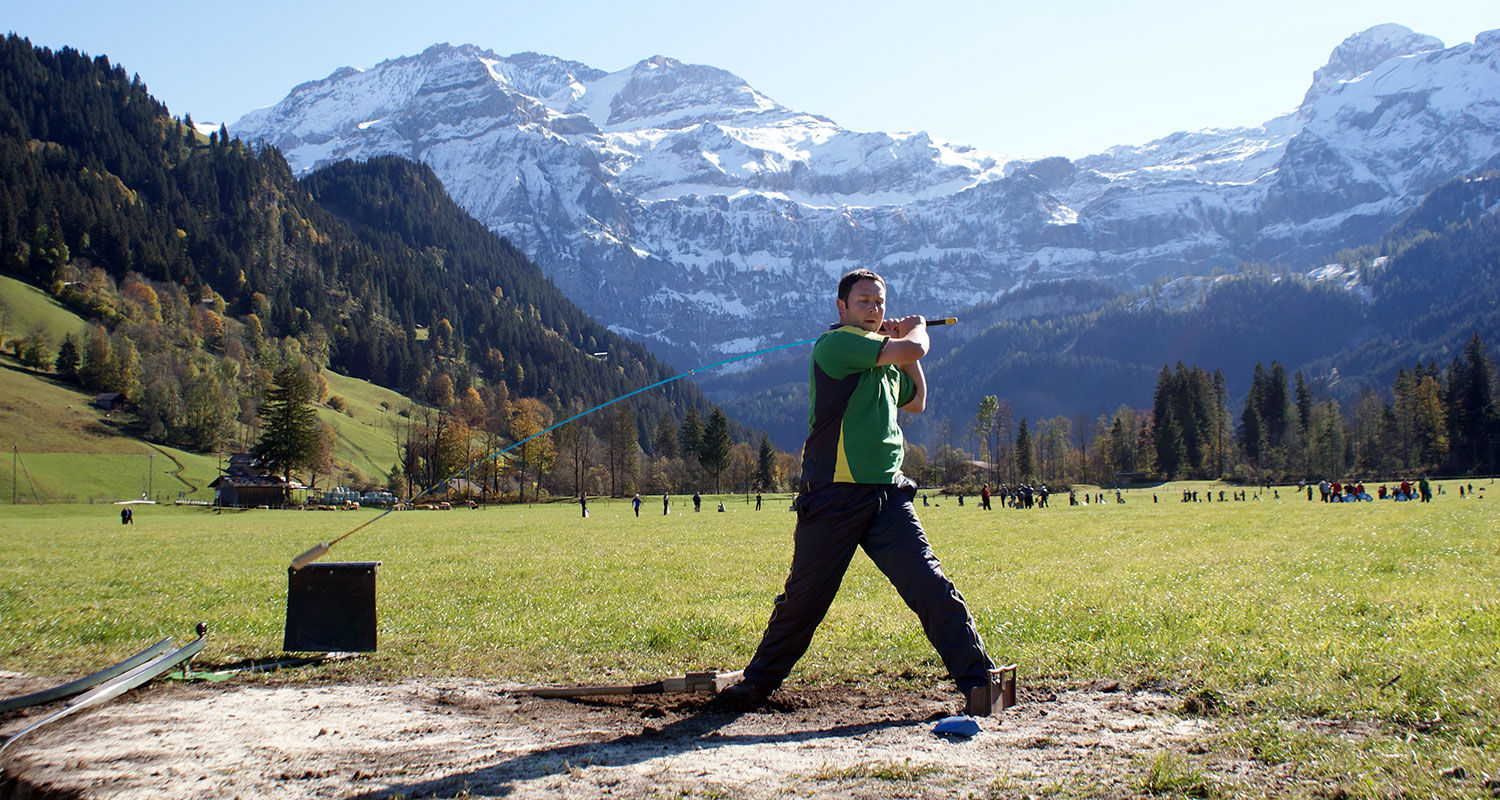
Hornussen is one of the three traditional Swiss national sports, alongside Swiss wrestling, known as Schwingen, and stone throwing. It is especially popular in the Bern Region and has its roots in the Emmental. Hornussen has been documented in writing for more than 400 years: the first known competitive Hornussen event took place in Trub in 1655. Originally, it was mainly played in farming communities, often on harvested fields. With the founding of the Federal Hornussen Association in Burgdorf in 1902, the local custom gradually developed into an organised competitive sport. Hornussen competitions also became part of national festivals early on, such as Schwingfest and alpine festivals.
How is Hornussen played and where does the name come from? The batting team hits the “Nouss”, a small hard rubber disc, with a 2.5 to 3-metre-long carbon-fibre stock from the launching ramp, called the “Bock”. The aim is to send the Nouss as far as possible into the opponent’s trapezoidal playing field, the “Ries”, and score as many points as possible. The defending team tries to stop the approaching Nouss as early as possible in the air, using a wooden catch board called the “Schindel”. The flying Nouss creates a distinctive sound, similar to the buzzing of a hornet. This is where the name “Hornussen” comes from.
To this day, Hornussen is both a sport and a living tradition. It combines competition, club life, regional identity and customs. Taster days, youth development, championships and new formats such as livestreams show that the tradition remains alive and is being passed on. Anyone who wants to experience Hornussen live or try it themselves will find suitable opportunities at the national taster days in May, the Intercantonal Hornussen Festival and other Hornussen festivals.
Yodelling: UNESCO Intangible Cultural Heritage
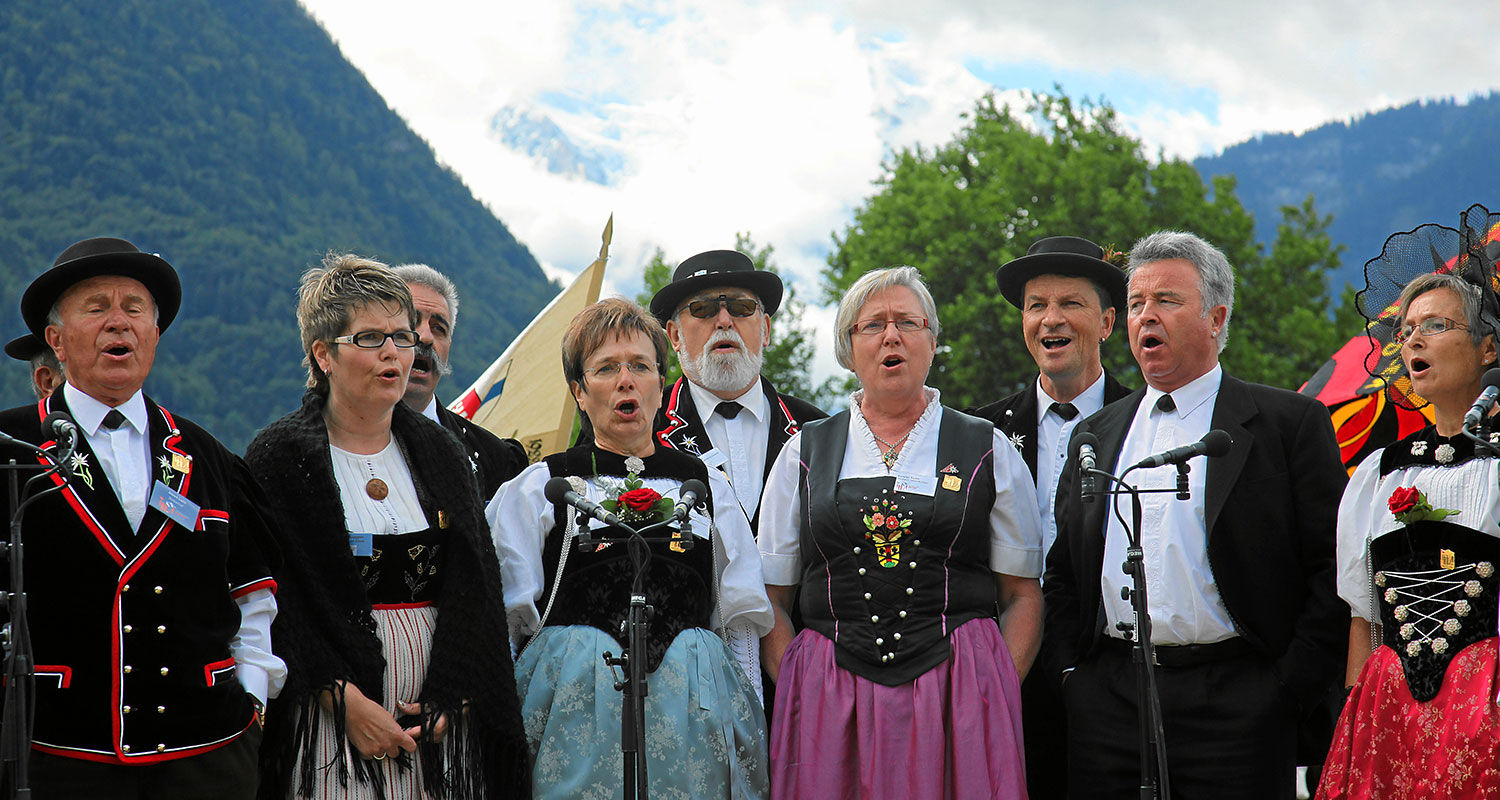
Since December 2025, Swiss yodelling has been officially inscribed on UNESCO’s Representative List of the Intangible Cultural Heritage of Humanity. Long before messages were sent by mobile phone, farmers, herdsmen and alpine dairymen used calls and alpine cries to communicate across long distances. These original sounds later developed into yodelling: singing without words that still moves people today. In the Bern Region, many yodelling festivals take place each year, where visitors can experience impressive voices, beautifully crafted traditional costumes and living customs. The first Federal Youth Yodelling Festival will take place in Grindelwald from 11 to 13 September 2026.
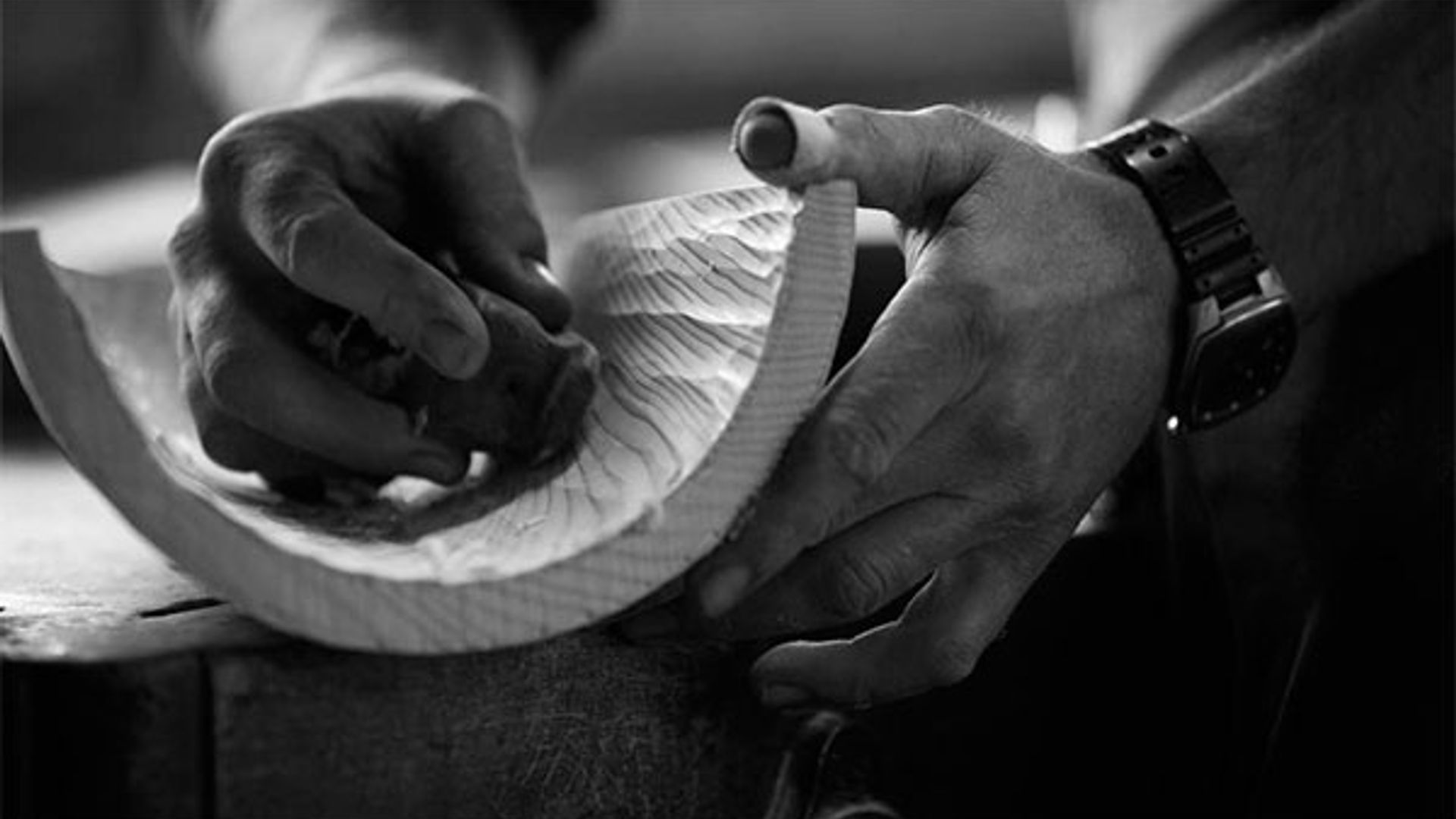
Woodcarving: How wood becomes an alphorn
Culinary specialities: More than just holes in Emmentaler cheese
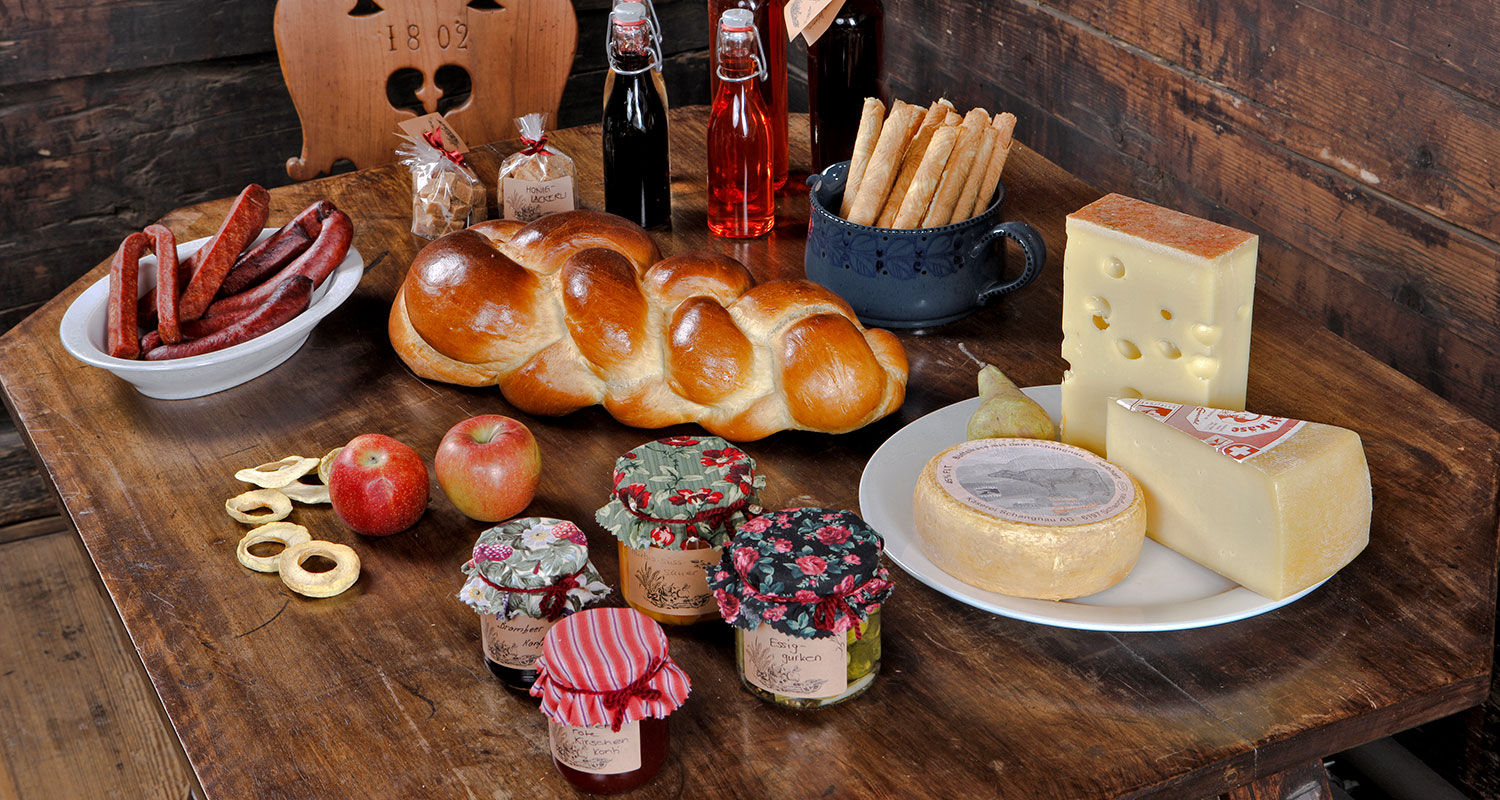
No matter whether it is the almost forgotten Gramswürmleni (a pastry baked in fat and resembling a caterpillar), the Gumpesel (a raw sausage with a strong smoke flavour), the famous meringues or the Burrehamme – the culinary specialities on offer in the Region of Bern are just as varied as the landscape. If you would prefer not to just sample these, you can always do so in conjunction with an excursion. For example, you can visit the Emmental and follow the Kambly Experience Tour while on an e-bike. Visit various producers along the way and end your tour at the Kambly factory in Trubschachen.